Security cameras used to be simple. Grainy footage. Limited angles. A system that worked… until you actually needed it.
Today, that standard no longer cuts it. Businesses across Dallas-Fort Worth rely on clear video, smart alerts, and remote access. That is where the debate comes in. IP cameras or analog systems.
At Z-Tech Communications, we have installed both. We have also replaced plenty of outdated analog setups that simply could not keep up. If you are deciding between the two or wondering if it is time to upgrade, here is what you need to know.
The Core Difference
Analog cameras are an older technology. They send video through coax cables to a local recorder. Everything stays on site. The system is simple but limited.
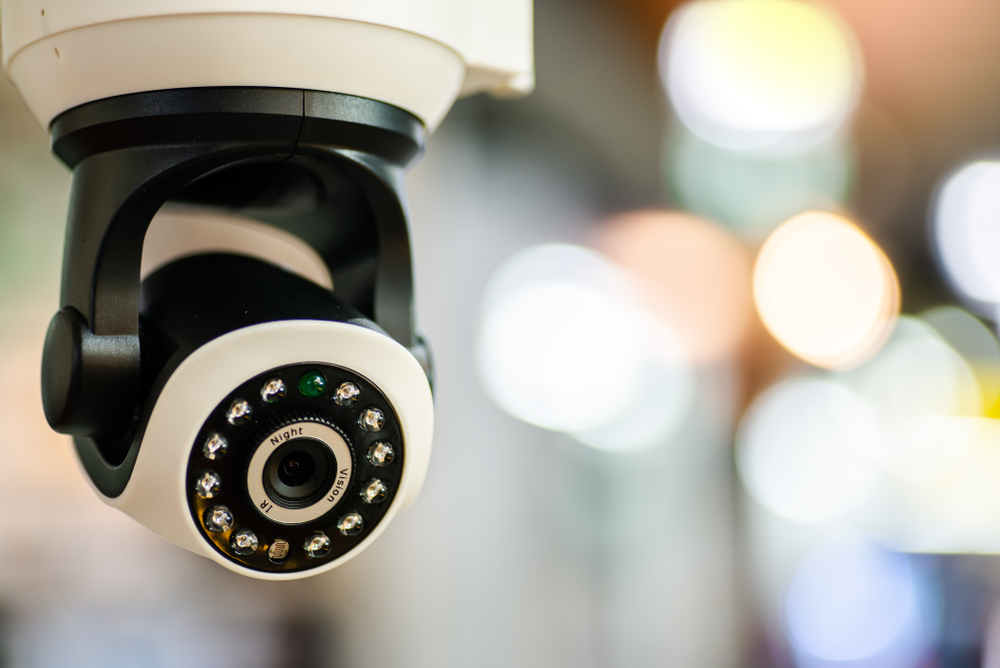
IP cameras take a different approach. They send digital video over your network. That means better image quality, remote access, and more control. Many also use Power over Ethernet, which uses a single cable to carry both power and data.
Think of it this way. Analog is like an old flip phone. It works, but it is basic. IP cameras are closer to a smartphone. More features. More flexibility. More capability.
Image Quality That Actually Helps You
When something happens, clarity matters.
Analog systems can produce decent video, but details often get lost. Faces blur. License plates become guesswork. Motion looks choppy.
IP cameras deliver sharper images and smoother video. That means you can actually identify what happened instead of squinting at a screen and hoping for the best.
We have had clients upgrade after an incident where their old system could not provide usable footage. That is a hard lesson.
Coverage Without the Guesswork
Analog setups often require more cameras to cover the same space. Each one has a narrower view, and zooming in can reduce clarity.
IP cameras can cover wider areas with better detail. Some models allow digital zoom without losing quality. Others combine multiple views in one device.
That means fewer cameras, cleaner installs, and better overall coverage.
Wiring and Installation Differences
Analog systems need separate cables for video and power. Add features like audio or control, and the wiring multiplies quickly.
IP cameras simplify things. One Ethernet cable can handle everything. Power. Video. Data.
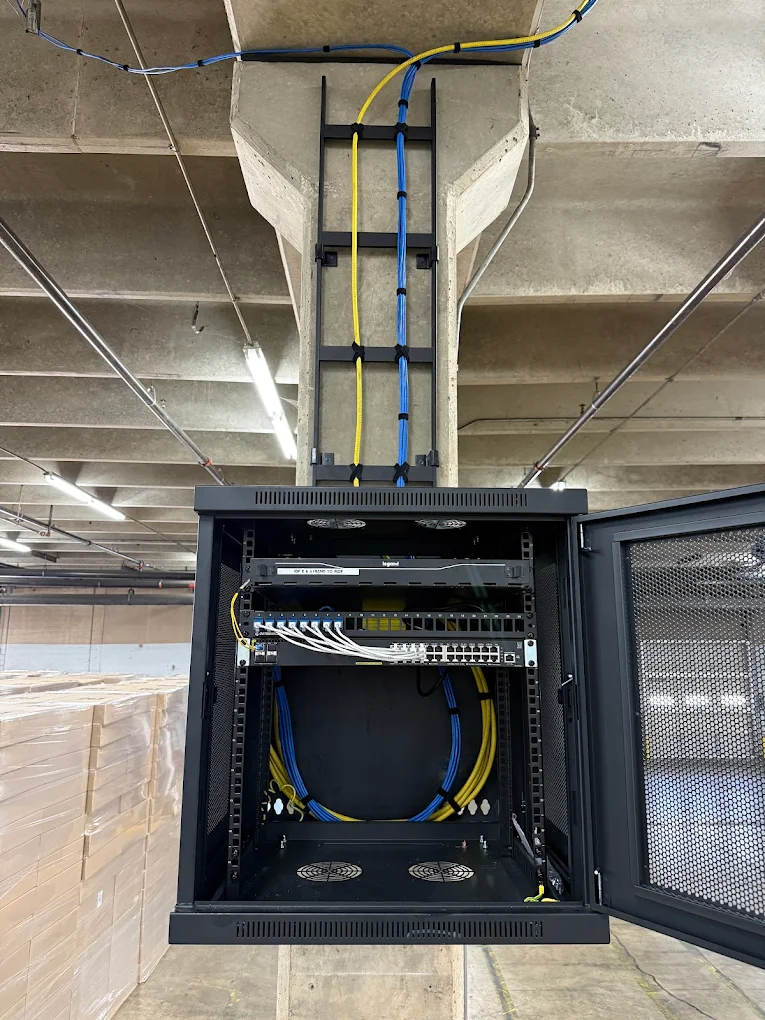
This makes installation cleaner and future upgrades easier. It also ties directly into structured cabling, which keeps your entire system organized and scalable.
Smarter Security Features
Analog cameras record. That is about it.
IP cameras do much more. Motion alerts. Line crossing detection. Remote viewing. Integration with access control systems. Some can even flag unusual activity.
These features help your team respond faster instead of reacting after the fact.
In today’s environment, speed matters.
Remote Access Changes Everything
With analog systems, you often need to be on-site to review footage. That slows response time and limits visibility.
IP systems allow you to check cameras from your phone, laptop, or tablet. Whether you are across town or across the country, your system stays within reach.
We have clients who monitor multiple DFW locations from a single dashboard. That level of control used to require a full security team. Now it fits in your pocket.
Security of the Security System
This part gets overlooked.
Analog signals are not encrypted. That means they can be intercepted.
IP systems can encrypt video data, protect access with credentials, and integrate with network security tools. That adds another layer of protection for your business.
If your cameras are meant to improve safety, the system itself should be secure too.
Storage and Flexibility
Analog systems typically store footage on local recorders. Capacity is limited, and scaling can be difficult.
IP systems can store data locally, in the cloud, or both. You can expand storage without replacing your entire system. You can also access footage quickly from anywhere.
That flexibility makes a big difference as your business grows.
Why Upgrading Matters
Holding onto an old camera system might feel like saving money. In reality, it can cost more.
Poor footage can fail to capture important details. Limited features slow response times. Outdated wiring makes expansion difficult.
Upgrading to an IP system gives you better visibility, stronger control, and a setup that grows with your business.
We have seen companies go from guessing what happened to knowing exactly what happened. That shift changes how you handle security.
Make the Right Security Choices With Z-Tech Communications
Analog cameras had their time. They still work for basic setups, but most Dallas-Fort Worth businesses need more. More clarity. More control. More flexibility.
IP security cameras deliver all of that and more. They turn your security system from a passive recorder into an active tool that helps protect your business.
At Z-Tech Communications, we design and install camera systems that fit your space, your goals, and your future growth. If your current setup feels limited or outdated, it may be time to upgrade.
Because when it comes to security, “good enough” rarely is.