A complete structured cabling proposal defines the scope, the cable type and quantities, how runs terminate, what pathways carry them, how they will be tested and labeled, what documentation you receive, what is excluded, the schedule, and how it is priced, along with payment terms, warranty and how long the quote is valid. If any of those pieces are missing, you are not comparing equal bids.
Most buyers in Dallas-Fort Worth only read a cabling proposal a few times in their career, usually during an office move or a buildout with a deadline. This guide walks through each section so you can put two or three bids side by side and know what to ask before you sign.
Why Two Cabling Bids Can Look So Different
Two bids for the same building can land far apart, and cable cost is rarely the only reason. The gap usually comes from what each contractor included: testing, labeling, telecom room work, grounding, documentation and the exclusions list.
A lower number that leaves out testing or documentation is not necessarily cheaper. It can move that cost to the day you need to troubleshoot a dead port or add a workstation and nobody knows which patch panel port feeds which desk. Read every bid for scope first and price second.
Scope of Work: Where the Cable Goes
The scope should describe the physical network the proposal covers, from the Main Distribution Frame (MDF) out to the end devices. That may include workstation runs, Wireless Access Point (AP) cabling, IP camera cabling, conference room and AV runs, and backbone links between the MDF and any Intermediate Distribution Frames (IDFs).
A clear scope can take different forms. Some proposals reference the project plans and list cable quantities by type. Others break the work out by area. What matters is that the scope is specific enough that you know what is included and could hold the contractor to it. If a bid describes the job in one vague line, ask for the plans, quantities or breakdown it is based on.
Cable Type and Termination
The proposal should state which cable category is used where, not just “Cat6 cabling” on the cover page. Most deployments use Cat6 or Cat6A depending on performance requirements and future growth. Cat6 is widely used for 1 Gbps networks and can support 10 Gbps over shorter distances, while Cat6A supports 10 Gbps across the full channel length.
It should also say how runs terminate. At the rack, that means patch panel termination. At the device end, most runs terminate on a jack, while devices such as cameras and APs may connect directly. Look for the jacket rating too, since plenum spaces above many commercial ceilings require plenum-rated cable.
Pathways, Telecom Room and Grounding
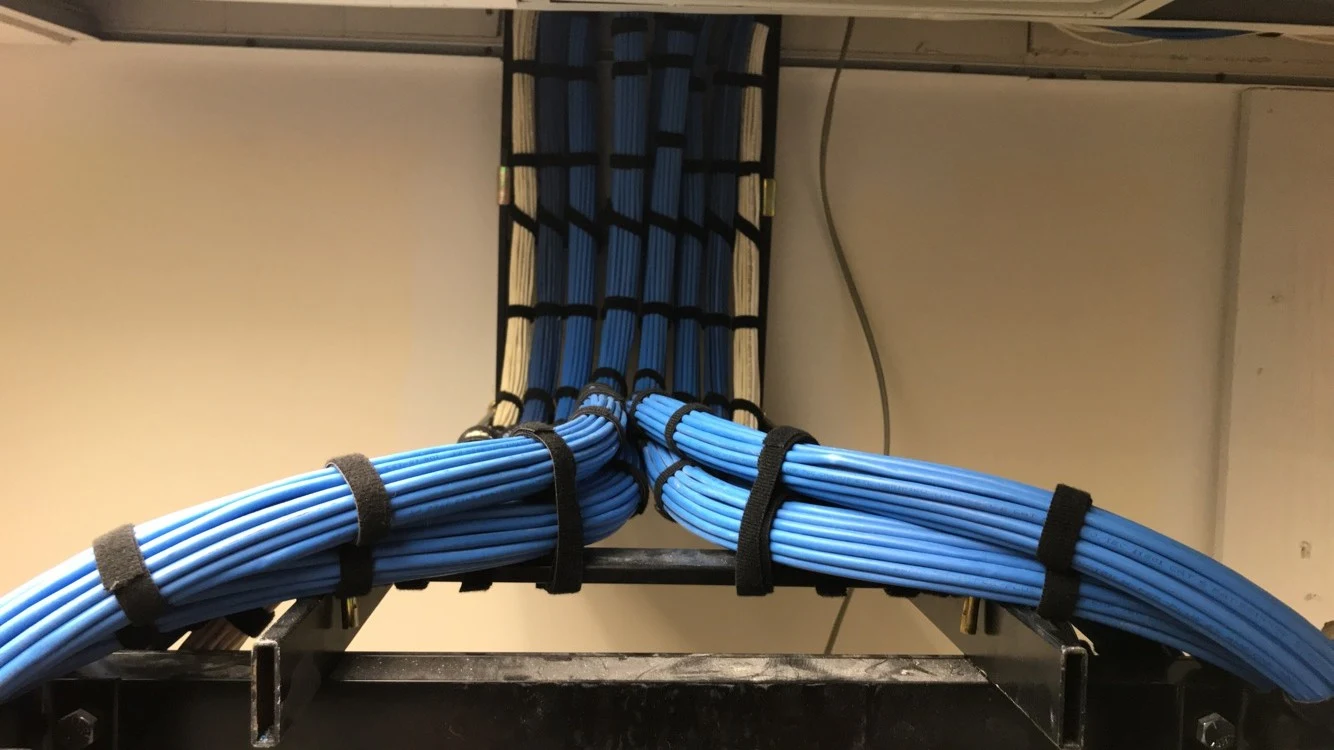
Cable needs a supported path. The proposal should spell out how runs are carried through the ceiling and into the telecom room, including ladder rack, cable supports and any heavy-duty pathways.
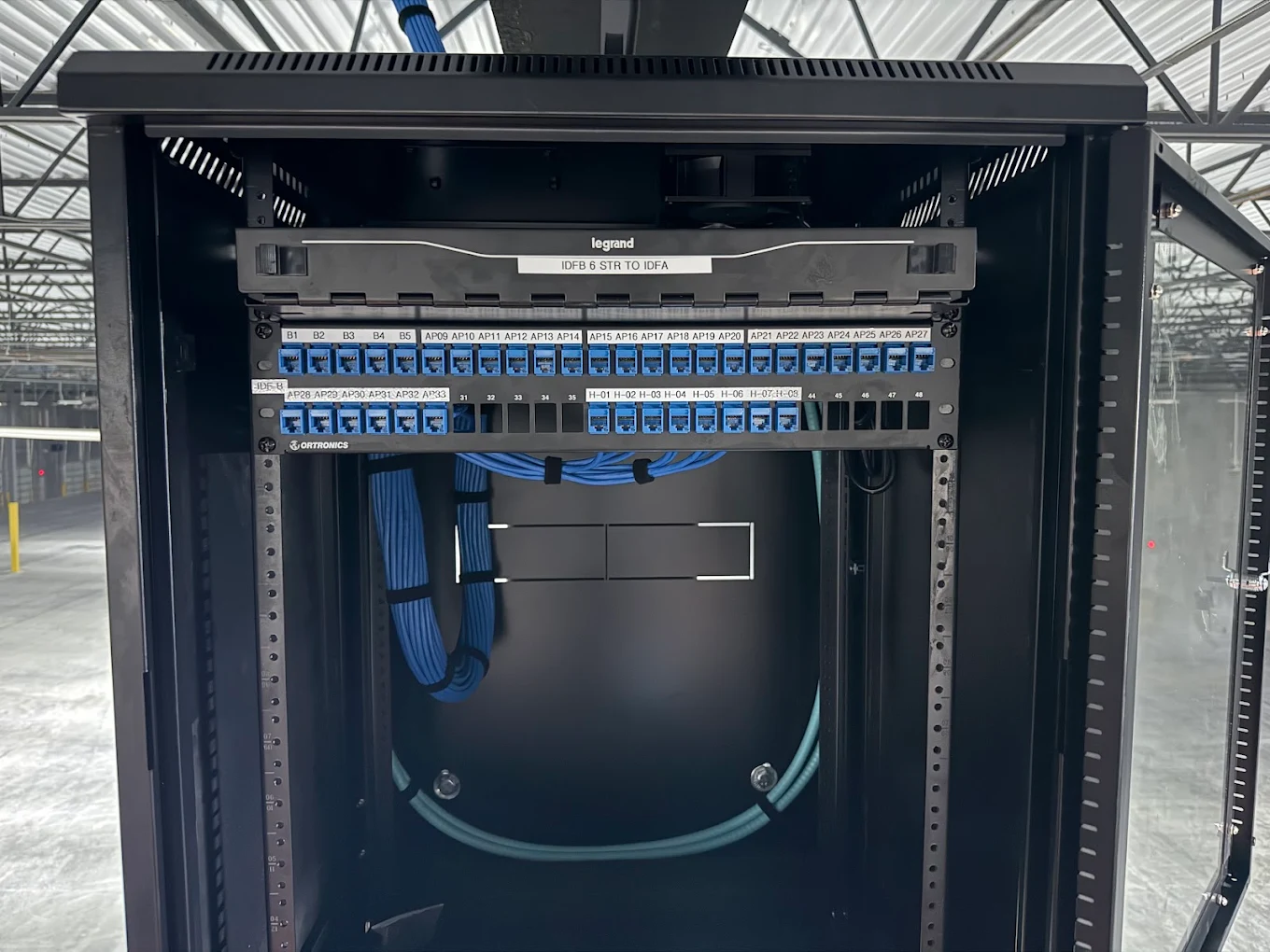
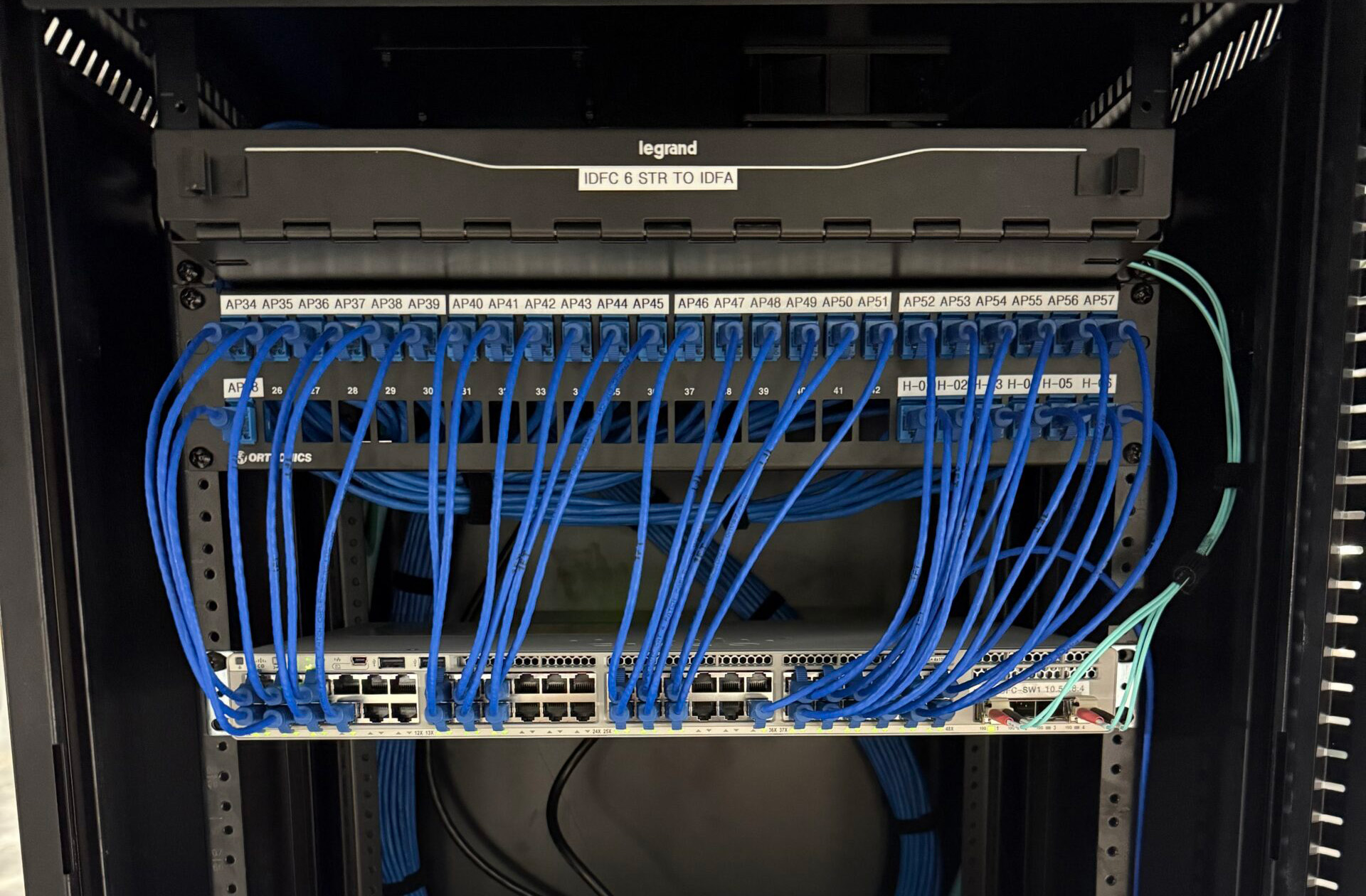
Telecom room work deserves its own lines: rack installation, patch panel termination, cable management and professional cable dressing for airflow and long-term access. It should also address telecommunications grounding and bonding to meet NEC safety codes. If a bid stops at “terminate in IDF” with no mention of the rack, cable management or grounding, that work is either excluded or not planned. You can see what a clean, well-dressed network rack looks like before you decide what to require.
Testing and Certification
“All cables tested” is not enough. The proposal should name the test method and say what results you will receive.
When specified in the proposal, Z-Tech certifies copper runs with Fluke DSX equipment to verify speed, bandwidth capacity and signal integrity against TIA/EIA standards, and tests fiber with methods suited to fiber. A simple tone test only shows that a cable connects end to end. It does not show whether the run can carry the speed you are paying for.
Labeling and Documentation
The proposal should say how ports, panels and cables will be labeled. Clear, consistent labels let anyone trace a run later.
The documentation you receive at the end, such as test results and rack diagrams, should be defined in the proposal. That package matters most a year from now, at the next move, add or change, when a new IT provider or facilities manager needs to know what is in the walls without guessing.
Exclusions, Schedule and Price
A clear exclusions list protects you. It tells you what the contractor is not doing, so you can assign it to someone else before the job starts. Exclusions vary by project, so read them closely on every bid.
The schedule should say when work happens. Many occupied offices need after-hours or weekend installs to keep the business running, so the proposal should state whether after-hours work is included.
Price should be tied to a defined scope. Depending on the proposal, Z-Tech’s pricing may be fixed for the agreed scope or billed on a time-and-materials basis, and any additional work requires customer approval. Ask each bidder how their pricing works and how changes to the scope are handled. If you want a sense of what moves the number, our guide to what drives structured cabling installation cost covers the main factors.
Payment Terms, Warranty and Quote Validity
The commercial terms matter as much as the technical ones. A complete proposal should state:
- Payment terms: when invoices are issued and when payment is due
- Deposit: whether a deposit is required before work starts, and how much
- Warranty: what the installation warranty covers and for how long
- Quote validity: how long the price is good for before it needs to be updated
Comparing these terms side by side keeps surprises out of the project after you sign.
How to Compare Bids Side by Side
Put each bid in a column and check it against the same list:
| Proposal item | What to look for |
|---|---|
| Scope | Plans and cable quantities referenced, or a clear area breakdown; MDF and IDFs named |
| Cable type | Cat6, Cat6A or fiber specified for each part of the work |
| Termination | Patch panels at the rack; jacks or direct device connections at the far end |
| Pathways and telecom room | Supports, ladder rack, rack install, cable management |
| Grounding | Telecom grounding and bonding to NEC |
| Testing | Copper certification method named; fiber testing defined |
| Labeling | Clear labeling on ports, panels and cables |
| Documentation | Deliverables defined in the scope |
| Exclusions | Clear “not included” list |
| Schedule | Dates and after-hours terms |
| Price | Fixed or time and materials; approval required for added work |
| Payment and deposit | Payment schedule and any deposit |
| Warranty | Coverage and duration |
| Quote validity | How long the price holds |
Any blank cell is a question to send back to that contractor before you decide. This works for any type of project, from a single suite to office network cabling across several floors.
Ready to Compare Your Bids?
Have a few bids on your desk? Call Z-Tech at (469) 991-9100 to get a proposal that spells out scope, testing, documentation and terms, so you can compare it line by line. See our commercial structured cabling services in Dallas-Fort Worth for the full scope.
Frequently Asked Questions
What should a structured cabling quote include?
A complete quote includes the scope, cable type and quantities, termination, pathways and telecom room work, grounding, testing method, labeling, documentation, exclusions, schedule, pricing basis, payment terms, warranty and quote validity.
Why is one cabling bid so much cheaper than another?
The lower bid often covers less. Check whether it includes certification testing, clear labeling, rack and cable management work, grounding and defined documentation.
Should a cabling proposal include test results?
The proposal should state how runs will be tested and what results you will receive. For copper, that means naming the certification method, such as Fluke DSX.
Is a site visit needed before a structured cabling quote?
It depends on the project. Some projects are quoted from plans, while others need a site visit to see ceilings, pathways and telecom room conditions. Either way, the price should match a clearly defined scope.